Traffic engineering plays a critical role in the planning, design, and operation of effective transportation systems. Traffic engineering consultants evaluate traffic operations, improve safety, and support reliable roadway performance through technical studies, data analysis, and engineering judgment. By applying established standards and analytical tools, traffic engineers help address transportation challenges and support informed decision-making for development and infrastructure projects.
The following sections summarize key traffic engineering services commonly required to support transportation planning, development review, and permitting processes.

Traffic Impact Study
Traffic Impact Studies prepared by a traffic engineering consultant evaluate how proposed residential, commercial, or industrial developments affect the surrounding transportation network. These studies analyze traffic data, trip generation, trip distribution, and future traffic conditions. Engineers assess roadway capacity, intersection operations, and safety performance to identify potential impacts.
Study findings help reviewing agencies and project teams understand transportation effects and determine appropriate mitigation measures. Traffic Impact Studies play a key role in supporting site plan approvals, rezonings, and development orders.

Concurrency Analysis
Concurrency Analysis evaluates whether existing and planned transportation facilities can accommodate additional traffic while maintaining adopted level-of-service (LOS) or multimodal level-of-service (MMLOS) standards. Traffic engineers review background traffic, vested and committed development, roadway capacity, and programmed transportation improvements.
This analysis determines concurrency compliance, identifies transportation deficiencies, and evaluates proportionate-share or mitigation requirements. Concurrency Analysis supports land use amendments, rezonings, site plans, and development approvals throughout Florida.

Timing and Phasing Study
A Timing and Phasing Study serves as the required traffic impact study for rezoning applications in Pasco County. Traffic engineers evaluate existing and projected traffic conditions associated with the proposed land use. The analysis includes trip generation, trip distribution, and intersection operations within the study area.
The study documents transportation impacts and identifies potential operational or safety concerns. Results support staff review, establish transportation-related conditions of approval, and provide defensible documentation for public hearings.

Transportation Needs Assessment
A Transportation Needs Assessment supports Comprehensive Plan Amendments in Pasco County. This analysis evaluates whether the existing and planned transportation system can accommodate proposed land use changes while meeting adopted service standards.
Traffic engineers review future development potential, background traffic conditions, and planned transportation improvements. The assessment identifies roadway needs and policy considerations to support planning commission review and adoption hearings.
Transportation Study Determinations and Exemption Letters
Transportation Study Determinations and Exemption Letters evaluate whether a proposed development must prepare a traffic impact study. Traffic engineers assess anticipated trip generation, project characteristics, and jurisdictional thresholds.
These determinations confirm eligibility for study exemptions or reduced analyses. Early documentation helps streamline development review and clarify transportation requirements for site plans and rezonings.

Mobility Fee Independence Study
A Mobility Fee Independence Study evaluates whether a project qualifies as independent from the local mobility fee system. Traffic engineers analyze trip generation, internal capture, and transportation impacts using local and FDOT methodologies.
The study documents whether project trips remain on-site or offset existing demand. Findings support mobility fee exemptions or reductions during development review.

Substandard Roadway Analysis
Substandard Roadway Analysis evaluates whether existing roadways serving a project meet adopted design standards. Traffic engineers review roadway width, lane configuration, shoulders, alignment, and operating conditions.
The analysis identifies deficiencies and determines whether improvements, mitigation, or alternative standards are appropriate as part of project approval.

Traffic Calming Study
Traffic Calming Studies evaluate roadway conditions, operating speeds, traffic volumes, and safety concerns. Traffic engineers analyze field data and surrounding land use to identify appropriate calming strategies.
These studies support efforts to reduce speeding, improve safety, and address neighborhood concerns.
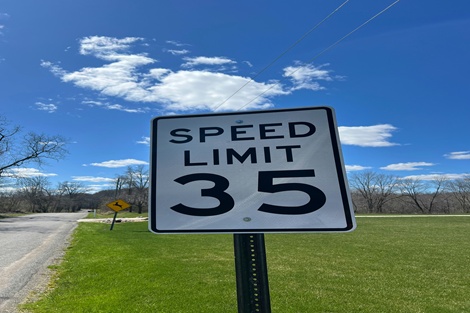
Speed and Operational Study
Speed and Operational Studies assess prevailing travel speeds and roadway performance under existing and future conditions. Traffic engineers review speed data, traffic volumes, and intersection operations.
The analysis supports access decisions, roadway design, and mitigation recommendations during permitting and development review.

Intersection and Corridor Capacity Analysis
Intersection and Corridor Capacity Analysis evaluates traffic operations at individual intersections and along roadway corridors. Traffic engineers examine traffic volumes, lane geometry, control types, and service levels.
The analysis identifies capacity constraints and operational deficiencies and supports traffic impact studies and development approvals.

Traffic Signal Warrant Analysis
Traffic Signal Warrant Analysis determines whether a traffic signal meets applicable warrant criteria. Traffic engineers evaluate turning movement volumes, crash history, and roadway characteristics.
This analysis supports decisions related to new signal installations, signal modifications, and development-related mitigation.

Multimodal Safety Study
Multimodal Safety Studies evaluate safety conditions for pedestrians, bicyclists, transit users, and motorists. Traffic engineers review crash data, roadway geometry, traffic operations, and multimodal facilities.
The analysis identifies safety concerns and recommends improvements that support safe and accessible transportation systems.