Transportation Planning services support long-term mobility, land use coordination, and infrastructure decision-making. Traffic engineers and transportation planners evaluate future travel demand, system performance, and policy considerations. These services help agencies and project teams plan improvements that align with adopted plans, funding programs, and community goals.
Transportation planning studies support comprehensive planning efforts, corridor planning, and major development initiatives by providing data-driven analysis and clear technical documentation.
Long-Range Transportation Planning Studies
Long-Range Transportation Planning Studies evaluate future transportation needs over extended planning horizons. Transportation planners analyze growth trends, land use patterns, and travel demand. These studies identify transportation improvements, policy strategies, and investment priorities.
Long-range planning studies support comprehensive plans, mobility plans, capital improvement programs, and regional transportation initiatives.

Transportation Demand Management (TDM) Plans
Transportation Demand Management (TDM) Plans identify strategies to reduce single-occupant vehicle travel and manage peak-hour demand. Transportation planners evaluate travel behavior, site characteristics, and available alternatives. Common strategies include transit incentives, ridesharing programs, bicycle and pedestrian facilities, and flexible work options.
TDM plans support development approvals, mobility requirements, and policy objectives by reducing traffic impacts and improving system efficiency.

Planning and Environmental (PD&E) Studies
Planning and Environmental (PD&E) Studies evaluate transportation improvement alternatives and their potential impacts. Transportation planners assess purpose and need, develop alternatives, and review environmental and community considerations.
PD&E studies support coordination with FDOT and other agencies and provide documentation needed to advance projects toward design and implementation.
Travel Demand Forecasting & Modeling
Travel Demand Forecasting & Modeling evaluates future traffic conditions based on projected growth, land use changes, and travel patterns. Transportation planners use accepted forecasting methods and regional travel demand models to estimate future roadway demand and system performance. These analyses support long-range planning, major development projects, and policy decisions by providing defensible projections of future travel conditions.
Corridor & Subarea Studies
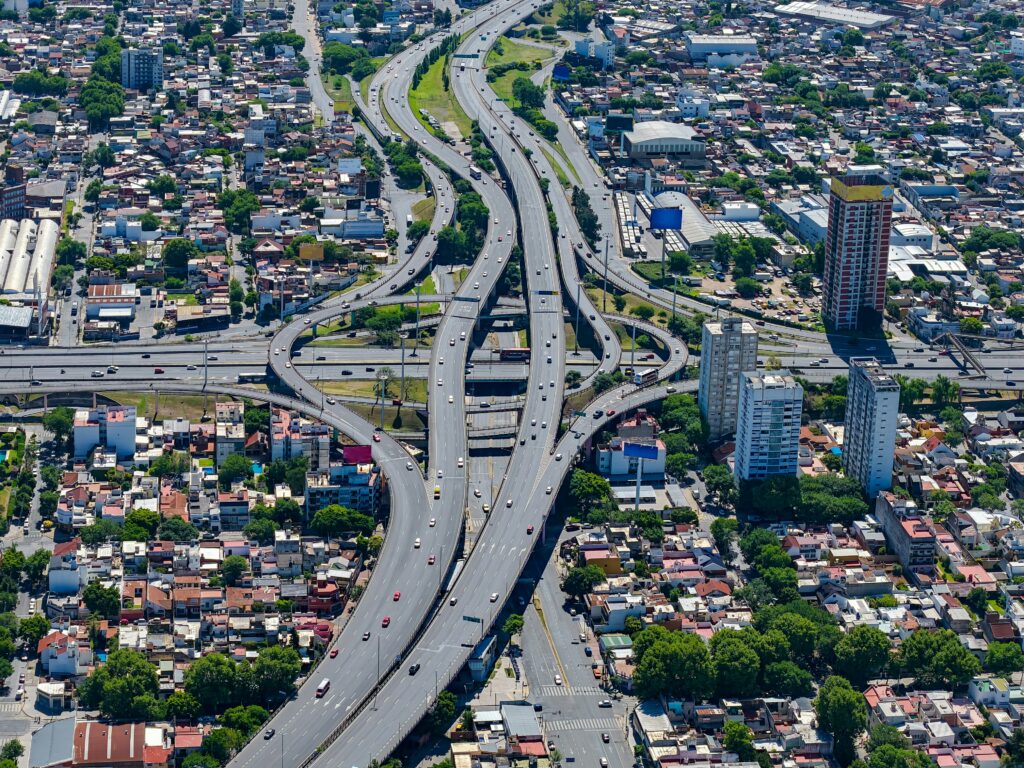
Corridor and Subarea Studies evaluate transportation needs within defined corridors or planning areas. Transportation planners analyze existing conditions, future travel demand, and multimodal needs. These studies identify operational issues, safety concerns, and capacity constraints and recommend planning-level improvements to support long-term mobility and land use goals.

Multimodal Transportation Planning
Multimodal Transportation Planning evaluates how roadways, transit, pedestrian, and bicycle facilities function together as a system. Transportation planners assess connectivity, accessibility, and safety for all users. These efforts support complete streets initiatives, transit-oriented development, and balanced transportation networks that align with adopted planning policies.

Environmental Justice & Equity Analysis
Environmental Justice and Equity Analysis evaluates how transportation plans and projects affect different communities. Transportation planners assess accessibility, mobility, and potential impacts on underserved or vulnerable populations. These analyses support compliance with Title VI requirements and help ensure equitable transportation outcomes during planning and project development.

Safety & Vision Zero Planning
Safety and Vision Zero Planning focuses on reducing traffic-related injuries and fatalities. Transportation planners analyze crash data, roadway characteristics, and systemwide trends to identify high-risk locations and behaviors. These studies support safety action plans, policy initiatives, and improvement strategies that promote safer transportation systems for all users.

Resilience & Sustainability Planning
Resilience and Sustainability Planning evaluates how transportation systems can adapt to future challenges. Transportation planners consider climate impacts, emergency response needs, and long-term sustainability goals. These studies support resilient infrastructure planning, evacuation planning, and strategies that improve system reliability under changing conditions.